

What Is Your Shadow Self Trying to Tell You?
Bringing Repressed Parts into the Light

We all have a shadow—parts of ourselves that we’ve learned to hide away, to disown, or to reject. This shadow is formed through a lifelong process of deciding what is acceptable and what is not, based on our family, culture, and society. While it’s natural to want to be accepted, the parts of ourselves that we’ve repressed often hold the key to our wholeness.
What is the Shadow?
The concept of the shadow comes from Jungian psychology. It represents the parts of ourselves that we’ve pushed into the unconscious because we learned they weren’t acceptable. This could be anything from anger and jealousy to our sensitivity, vulnerability, or even creativity. Over time, these parts form what’s called the "shadow self," and though they are hidden, they still influence our behavior in ways we might not recognize.
Our shadow isn’t inherently bad. In fact, it often contains valuable aspects of ourselves—our unexpressed emotions, desires, and even strengths that we've kept hidden to fit in or be accepted. There is also what is called the "golden shadow," which includes the beautiful qualities we've repressed, like our creativity, playfulness, or intuition.
How the Shadow Shapes Our Lives
When we repress parts of ourselves, they don’t just disappear. Instead, they often emerge in ways that are out of our control, whether through projections onto others, unexpected outbursts, or chronic dissatisfaction. For instance, if we’ve learned that anger is unacceptable, we might push it away until it manifests in passive-aggressive behavior or explosive rage.
Similarly, if we’ve suppressed our creativity because we were told it wasn’t practical, we may feel unfulfilled in our daily lives, seeking validation through achievements that never quite satisfy. The shadow holds a lot of our unexpressed energy, and without acknowledging it, we’re never fully in control of our lives.
Bringing the Shadow to Light
The journey of shadow work involves bringing these repressed parts into our awareness. It’s about acknowledging and integrating them so they no longer control us unconsciously. This doesn’t mean indulging every emotion or impulse, but rather, becoming curious about what’s hidden beneath the surface.
A powerful question to explore is: What have I been taught is unacceptable about myself? Perhaps you were taught that being emotional was wrong, so you’ve suppressed your feelings. Or maybe you were told that taking up space was selfish, so you learned to stay small. These parts of you still exist, and they need acknowledgment and acceptance.
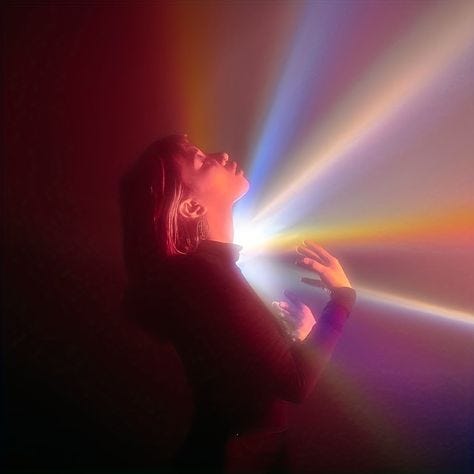
By shining a light on our shadow, we gain the opportunity to reclaim the parts of ourselves that have been lost. We become more whole, more authentic, and more capable of navigating our lives with awareness and compassion.
Takeaway
Today, I invite you to reflect on a part of yourself that you’ve learned to hide or disown. It could be an emotion, a desire, or even a strength. How does this part show up in your life now—perhaps in ways you don’t expect? What might it look like to welcome this part of yourself back in, to see it not as a flaw, but as a valuable aspect of who you are?
Want to Dive Deeper?
This article is just a glimpse of what we explored in our full-length workshop on shadow work and self-integration. If you're ready to dive deeper into the parts of yourself that you've hidden away and learn how to reclaim them, consider subscribing for access to the entire video and other exclusive content.
**AND, our next live Q&A session on December 19th at 11am PT.
This is a subscriber-exclusive event where you can ask questions, share your experiences, and dive deeper into these topics. Together, we can shine a light on the shadow and discover the gifts it holds.
How to Work With Your Dreams

What if your dreams weren’t problems to solve, but living allies here to guide you back to yourself?